
Finding the right therapist can be a life-changing decision, especially if you or someone you care about is struggling with depression, anxiety, PTSD, or other mental health concerns. As we move into 2026, the demand for accessible, compassionate, and effective therapy and counselling services in Toronto continues to grow. If you’re searching for the best tips for choosing a licensed therapist in Toronto for mental health, this comprehensive guide is designed to help adults, teens, couples, and families find the support they need to live healthier, happier lives.
Why Choosing the Right Therapist Matters
Mental health support is not a one-size-fits-all journey. Your therapist can play a crucial role in helping you understand your feelings, process past experiences, and develop sustainable coping strategies. Whether you are seeking therapy for yourself, a teenager, your partner, or as a couple, the right therapeutic relationship is essential to achieving positive outcomes.
Understanding the Different Types of Therapy in Toronto
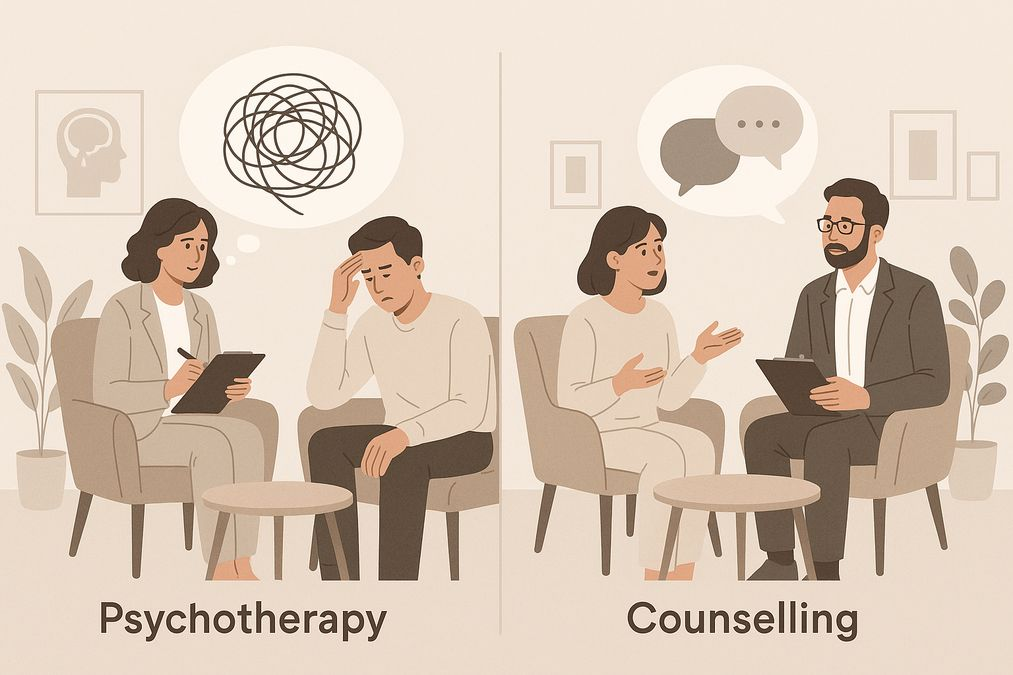
Before you choose a therapist, it’s important to understand the distinction between various therapeutic approaches. In Toronto, counselling and psychotherapy are two common types of mental health treatment, each with unique methods and goals.
- Counselling often focuses on specific issues or short-term challenges, providing strategies for stress, relationship difficulties, or mild mental health concerns.
- Psychotherapy is typically longer-term, exploring deep-seated emotions, patterns, and experiences, often suited for complex or chronic issues like trauma, depression, or anxiety disorders.
If you’d like to learn more about the unique benefits of each approach, read this detailed comparison of psychotherapy and counselling in Toronto.
Best Tips for Choosing a Licensed Therapist in Toronto for Mental Health
Selecting a therapist can feel overwhelming, especially with so many practitioners and clinics to choose from. The following tips are tailored to Toronto residents seeking counseling for themselves, their teens, or as part of a couple:
1. Verify Credentials and Licensing
- Ensure your therapist is licensed by the relevant Ontario regulatory body, such as the College of Registered Psychotherapists of Ontario (CRPO) or the Ontario College of Social Workers and Social Service Workers (OCSWSSW).
- Look for therapists who have recognized degrees, ongoing education, and professional memberships. This ensures they adhere to established standards and ethical practices.
- Ask about their specialization—do they frequently treat issues similar to yours, such as anxiety, depression, PTSD, or relationship struggles?
2. Consider Experience with Your Specific Needs
Different therapists work with different populations and challenges. When you reach out to a therapist in Toronto, discuss your main concerns and ask if they have experience with:
- Adults facing career, relationship, or mental health issues
- Teens struggling with school stress, identity, anxiety, or self-esteem
- Couples dealing with communication difficulties, infidelity, or parenting stress
- Culturally diverse communities, including newcomers and those facing racial or cultural discrimination
3. Explore the Therapist’s Approach and Methods
Toronto therapists use a wide spectrum of modalities, such as Cognitive Behavioural Therapy (CBT), Dialectical Behavioural Therapy (DBT), Acceptance and Commitment Therapy (ACT), or trauma-focused approaches like EMDR. During your consultation, ask about their typical methods and how they adapt their style to different clients. For example, these adult depression therapy techniques are particularly effective in 2026.
4. Assess Comfort and Compatibility
- A strong therapeutic alliance—built on trust, empathy, and open communication—is the best predictor of successful outcomes.
- After your initial session, reflect on how you felt:
- Did the therapist listen without judgment?
- Did you feel heard, validated, and respected?
- Was the atmosphere welcoming and inclusive?
- Don’t hesitate to try a few therapists before making a final decision.
5. Check Availability, Location, and Accessibility
Toronto is a sprawling city, and convenience can make the difference between sticking with therapy and giving up. Consider:
- If sessions are available after work or school hours, or on weekends
- Whether the clinic is transit-accessible or offers virtual sessions for added flexibility
- The therapist’s cancellation/rescheduling policy, which can reduce stress if your schedule changes
6. Understand Fees and Insurance Coverage
- Ask if the therapist offers a free consultation. This is a great way to gauge fit without financial pressure.
- Confirm session rates, sliding scale options, and whether your insurance will reimburse services with this provider.
- Ask about billing practices—some clinics, like Eternal Minds, offer direct billing to select insurers.
7. Read Reviews and Seek Recommendations
Word of mouth matters. Ask your physician, friends, or family if they recommend any licensed Toronto therapists. Read online reviews, keeping in mind that therapy is a very personal journey—what works for one person may differ for another.
Questions to Ask During Your First Consultation
Most therapists will offer a short phone or in-person consultation. Make the most of this opportunity by preparing key questions:
- Are you fully licensed and what credentials do you hold?
- What experience do you have treating issues like mine (depression, anxiety, PTSD, couples’ concerns, etc.)?
- What is your therapeutic approach, and how is progress measured?
- How do you handle confidentiality and privacy?
- What do you expect from your clients during therapy?
- How often should we meet and for how long?
- Are you comfortable working with my background/culture/age group?
Red Flags to Watch For When Choosing a Therapist
- Refusal to share credentials or reluctance to answer your questions
- Promises of quick cures or guaranteed outcomes
- Missed appointments without notice, or lack of professionalism
- Pushing personal views or making you feel uncomfortable
- Any violation of boundaries or ethical practices
How Therapy Helps: Benefits for Adults, Teens, and Couples
Therapy can be life-changing for people of all ages and backgrounds. Here’s how counselling can make a difference in the lives of Toronto’s diverse residents in 2026:
- Adults: Heal from trauma, improve emotional regulation, develop coping strategies for stress, work challenges, or depression, and rebuild self-esteem.
- Teens: Manage social anxiety, peer pressure, identity struggles, and family changes with professional support. Therapy can also help youth improve school performance and resilience.
- Couples: Address conflict, enhance communication, rekindle intimacy, repair trust, and create stronger, healthier bonds—regardless of relationship stage.
- Families: Navigate parenting challenges, culture gaps, blended family dynamics, or support members coping with specific diagnoses.
Where to Find Reputable Therapy Services in Toronto
Toronto boasts a vibrant network of mental health professionals and clinics. Some of the leading providers include:
- Eternal Minds – A trusted clinic specializing in therapy and counselling for adults, teens, couples, and families. Their services are evidence-based, accessible, and culturally sensitive.
- Private practices led by registered psychotherapists, psychologists, and social workers around the city.
- Community health centres offering low-cost or sliding scale therapy options.
- Virtual/online therapy platforms for those preferring secure remote sessions.
For more guidance on navigating your therapy options, take a look at this resource explaining the differences between counselling and psychotherapy in Toronto.
Making the Most of Therapy in 2026
- Set clear goals. Before your first session, reflect on what you want to achieve—reducing anxiety, improving relationships, healing past trauma, or learning to cope with stress.
- Commit to consistency. Progress in therapy requires time and willingness to be vulnerable. Try to keep appointments regular, even during difficult weeks.
- Be honest and open. Your therapist is there to support you. Sharing openly—even when it feels uncomfortable—can speed up your healing process.
- Practice self-care. Therapy works best when you pair sessions with healthy routines—sleep, nutrition, physical activity, and mindfulness.
- Celebrate small victories. Growth often happens in tiny increments. Give yourself credit for every step forward.
Support for a Diverse and Inclusive Toronto
Toronto’s diversity is one of its greatest strengths. When choosing a licensed therapist, ask whether they are equipped to work with people from different cultures, sexual orientations, genders, and identities. Culturally-informed therapy can be especially valuable for newcomers, BIPOC communities, and those facing systemic barriers. Eternal Minds, for example, is committed to providing anti-oppressive, affirming care for all groups.
Your Journey Starts Here
Choosing the right therapist is a significant first step toward lasting mental health and well-being. By following these best tips for choosing a licensed therapist in Toronto for mental health, you’re setting yourself—or your loved one—up for a brighter, more hopeful future. Whether you’re seeking support for depression, anxiety, trauma, or relationship issues, an experienced and compassionate therapist can help you unlock positive change.
If you’re ready to start your journey or simply want to learn more about your therapy options, don’t hesitate to book a free, confidential consultation with Eternal Minds today. Our team is here to help you thrive—every step of the way.

Related Posts
Meta Description (for SEO): Discover how psychotherapy and counselling differ [...]
If you’re living in Toronto and searching for effective mental [...]

Are you searching for effective therapy and counselling options in [...]
