Understanding Depression in Toronto Adults
Depression is a serious but treatable condition that affects thousands of adults in Toronto every year. With life in a bustling, vibrant city comes the challenge of managing stress, balancing work and personal life, and coping with unexpected changes. Whether it’s caused by genetic factors, traumatic experiences, ongoing stress, or physical health issues, depression is never a sign of weakness. Seeking help is a brave first step towards feeling better and reclaiming joy in your life.
Why Choose Professional Therapy?
Trying to manage depression alone can be difficult. Professional therapists and counsellors are trained to guide you towards recovery using techniques that have been tested and proven effective over decades of research. If you’ve been experiencing symptoms such as low mood, hopelessness, fatigue, loss of interest in activities, or difficulties in concentrating for more than two weeks, therapy may be an important next step.
- Confidential, judgment-free support
- Personalized care tailored to your needs
- Proven tools for managing symptoms and preventing relapse
- A safe space to process thoughts, feelings, and experiences
The Best Depression Therapy Techniques for Adults in Toronto 2026
Toronto offers a wide range of therapeutic approaches for adults dealing with depression. Here, we explore the most effective evidence-based therapies currently being used in 2026 and what makes them so successful for individuals across the city.
Cognitive Behavioural Therapy (CBT)
Cognitive Behavioural Therapy remains one of the most recommended treatments for depression among adults. CBT focuses on identifying unhelpful thinking patterns and replacing them with healthier, more realistic thoughts. In sessions, your therapist helps you challenge negative beliefs, break the cycle of depression, and develop concrete skills for better coping.
- Short-term, goal-oriented approach
- Emphasizes practical skill-building
- Highly structured and measurable results
- Works well for adults, teens, and even couples
Mindfulness-Based Cognitive Therapy (MBCT)
Combining elements of CBT with mindfulness principles, MBCT helps adults become more aware of their thoughts and feelings in the present moment. It’s especially effective for those who experience recurring bouts of depression. Through meditation and breathing exercises, you learn to observe your thoughts without judgment and break free from automatic negative cycles.
Interpersonal Therapy (IPT)
Strong social connections are vital for mental health. Interpersonal Therapy focuses on improving communication skills, addressing relationship conflicts, and building a supportive network around you. In Toronto’s busy environment, IPT is particularly helpful for those whose depression is linked to loss or difficulties in relationships.
Acceptance and Commitment Therapy (ACT)
ACT combines mindfulness strategies with ways to help you accept difficult emotions and commit to meaningful actions. This therapy doesn’t focus on eliminating negative feelings but instead helps you live a richer, more fulfilling life—even in the presence of emotional discomfort.
Trauma-Informed Therapy & PTSD Support
Many adults in Toronto struggle with depression rooted in trauma or post-traumatic stress disorder (PTSD). Trauma-informed therapy provides a safe, understanding environment where you can process past experiences and regain a sense of control and safety.
- Specialized support for survivors of trauma or abuse
- Emphasizes safety, trust, and empowerment
- Can be combined with other therapy modalities like CBT or EMDR
Group Therapy and Peer Support
Feeling isolated can make depression worse. Group therapy provides opportunities to connect with others facing similar challenges. Sharing your story in a supportive environment reduces stigma and helps you learn new coping skills from peers. In Toronto, many clinics offer specialized group therapy for adults, teens, couples, and families.
Choosing the Right Therapy for You
No single therapy works for everyone. A good therapist will help you explore options and create a plan that matches your experiences, goals, and lifestyle. When choosing a depression therapy service in Toronto, consider factors like:
- Experience & Credentials: Seek registered professionals with expertise in adult mental health.
- Personal Fit: Strong therapeutic alliances yield better results—don’t hesitate to switch if you don’t feel comfortable.
- Accessibility: Many Toronto clinics now offer online, in-person, or hybrid therapy options to fit your schedule.
- Affordability: Ask about sliding scale fees and insurance coverage. For details on personalized, accessible services, see our guide to affordable personalized therapy sessions.
Recognizing Co-Occurring Disorders: Anxiety, PTSD, and More
Depression often coexists with other mental health conditions, such as anxiety or PTSD. The best depression therapy techniques for adults in Toronto 2026 involve an integrated approach, where your therapist addresses all the factors contributing to your emotional well-being. For those dealing with both depression and anxiety, local therapists may incorporate specialized anxiety-focused techniques. Learn more in our overview of psychotherapy services for anxiety and depression in Toronto for 2026.
Specialized Therapy for Adults, Teens, and Couples
While this post focuses on adult depression therapy, Toronto therapists also help teens, couples, and families facing unique mental health challenges. For teens, tailored approaches recognize the changes and pressures of adolescence. Couples therapy can address relationship patterns contributing to depression or stress.
If your family includes teens struggling with anxiety or depression, see our resource on effective teen therapy techniques for anxiety in Toronto in 2026 for age-appropriate advice and tips for parental support.
What to Expect From the Therapy Process
Feeling nervous about starting therapy is completely normal. Here’s what you can typically expect:
- Initial Consultation: Your first session focuses on getting to know you, your symptoms, and your goals. The therapist may recommend a plan based on your unique needs.
- Setting Goals: Together, you’ll set realistic, achievable targets for therapy—such as improving mood, boosting self-esteem, or coping with challenging situations.
- Regular Sessions: Weekly or bi-weekly sessions are common, but frequency depends on your specific needs and availability.
- Homework Assignments: Many therapies (like CBT) involve exercises between sessions to help you practice skills in real-life situations.
- Ongoing Assessment: Your therapist will monitor progress and adjust the approach as needed.
Comparing In-Person, Online, and Hybrid Therapy in Toronto
Toronto’s diverse mental health community now offers a range of service options:
- In-Person Therapy: Traditional face-to-face counseling provides a personal touch and a confidential environment.
- Online Therapy: Secure video or phone sessions let you access care from home—ideal for those with busy schedules or mobility concerns.
- Hybrid Models: Combine in-person and online sessions for maximum flexibility and continuity of care in 2026.
Why Choose Eternal Minds for Therapy and Counselling in Toronto?
If you’re seeking the best depression therapy techniques for adults in Toronto 2026, consider working with Eternal Minds. We’re a leading provider of counselling and therapy services for adults, teens, couples, and families in the Greater Toronto Area. Our team of qualified, compassionate therapists specialize in depression, anxiety, PTSD, ADHD, relationship issues, and more.
- Individual Therapy for Adults, Teens & Young Adults
- Couples Therapy & Relationship Counselling
- PTSD & Trauma-Informed Care
- Family Therapy
- Group Therapy Sessions
- Virtual and In-Person Appointments in Toronto
- Personalized Treatment Plans
Tips for Getting the Most Out of Therapy in 2026
- Be Honest: Open sharing helps your therapist understand the full picture.
- Stay Consistent: Regular attendance is key to building progress and momentum.
- Practice Skills: Apply what you learn between sessions for best results.
- Communicate Feedback: Tell your therapist what’s working and what’s not.
- Give It Time: Recovery is a process—be patient with yourself.
FAQs About Depression Therapy in Toronto
How long does therapy for depression typically last?
The length of therapy depends on your needs and goals. Some adults benefit from just a few months, while others prefer longer-term support. Your therapist will discuss options and help tailor the process to your pace.
Is therapy confidential?
Yes, all registered therapists in Toronto adhere to strict confidentiality and privacy standards. Your conversations, records, and progress remain secure and private.
Is therapy covered by OHIP or insurance?
Many extended health plans cover therapy from registered psychotherapists, social workers, or psychologists. OHIP generally does not cover private counselling, but some clinics offer affordable payment options or sliding scales.
Can therapy help with other issues like anxiety or trauma?
Absolutely. The best depression therapy techniques for adults in Toronto 2026 can be adapted to address anxiety, PTSD, grief, relationship challenges, and more. Comprehensive care often integrates multiple therapy types as needed.
Take the First Step: Book Your Free Consultation
Choosing to seek help is a bold, empowered decision. If you’re ready to explore the best depression therapy techniques for adults in Toronto 2026, Eternal Minds is here to support you. Our dedicated therapists will help you develop a personalized treatment plan, overcome obstacles, and rediscover hope.
Book your free consultation today and take your first step toward a brighter future.

Related Posts
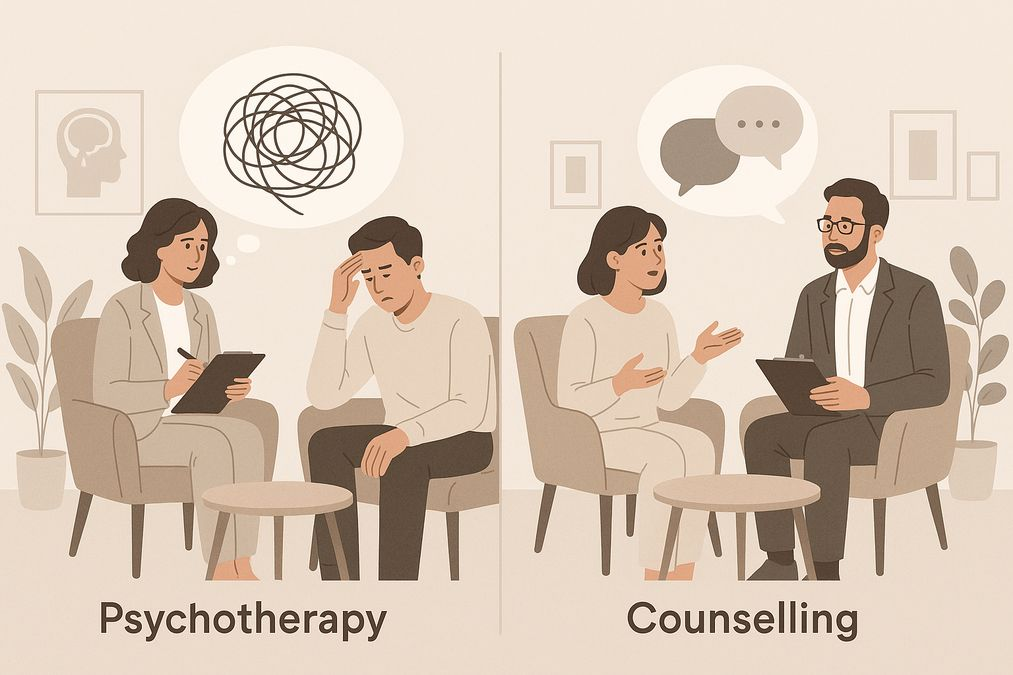
Meta Description (for SEO): Discover how psychotherapy and counselling differ [...]
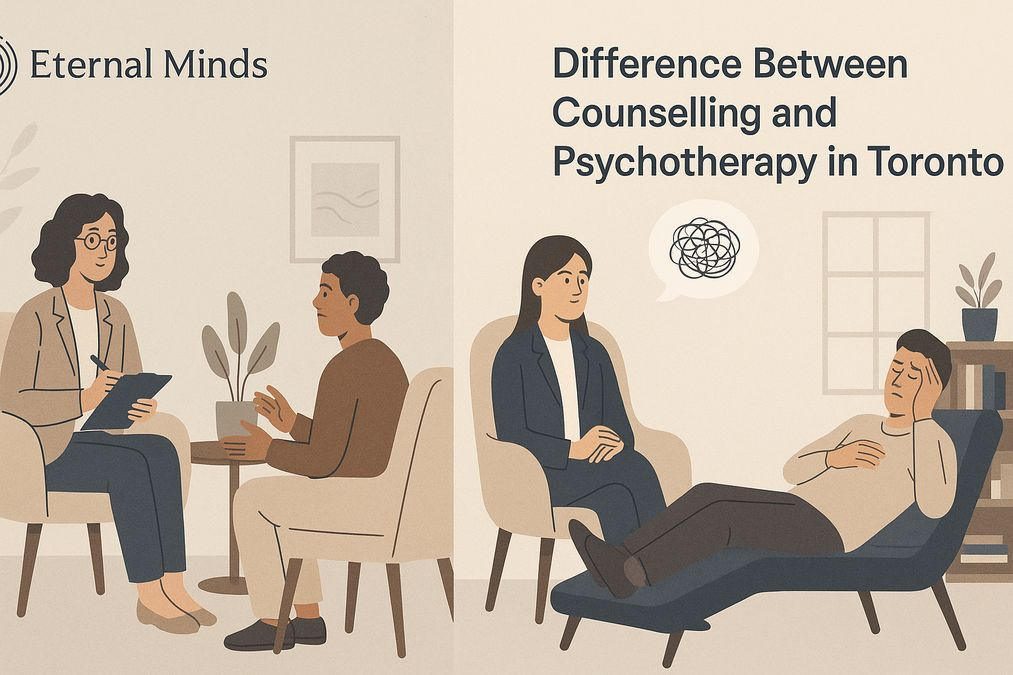
If you’re living in Toronto and searching for effective mental [...]
Are you searching for effective therapy and counselling options in [...]
