
Introduction: Navigating Life Changes with Psychotherapy in Toronto
Life is full of transitions—some planned, others unexpected. Whether it’s moving to a new city, changing careers, ending a relationship, or coping with loss, these pivotal moments often bring a rush of mixed emotions. For people in Toronto, a city known for its diversity and vibrant pace, the need for emotional adjustment during such life changes is especially common among adults, teens, and couples alike. During times like these, understanding how psychotherapy supports emotional adjustment during life changes becomes crucial.
In 2026, with increasing awareness around mental health, psychotherapy remains one of the most reliable ways to help individuals and families manage anxiety, depression, trauma, and other emotional challenges that arise with major life changes. In this comprehensive guide, we’ll explore how psychotherapy promotes emotional healing, adaptation, and resilience, and why residents of Toronto are turning to professionals—like the team at Eternal Minds—for the support they need.
What Are Life Changes and Why Do They Affect Our Emotions?
Major life changes are significant events or transitions that disrupt your usual routine or sense of stability. These can include:
- Starting or ending a relationship
- Relocating to a new home or city
- Switching jobs or careers
- Becoming a parent or dealing with infertility
- Loss of a loved one
- Facing a serious illness or injury
- Entering retirement
- Graduating from school or university
Even positive changes can cause stress, anxiety, or depression. Why? Because transitions challenge our sense of safety, identity, and predictability. Our brains and emotions crave stability, so when routines are disrupted, feelings of fear, uncertainty, or sadness can surface. This is where psychotherapy becomes essential.
How Psychotherapy Supports Emotional Adjustment During Life Changes
How psychotherapy supports emotional adjustment during life changes is rooted in empowering people to process emotions, reframe negative thought patterns, and develop adaptive coping skills. Let’s break down how therapy can help you thrive in the face of change, whether you’re an adult, teen, or part of a couple navigating Toronto’s fast-paced environment.
1. Providing a Safe, Confidential Space
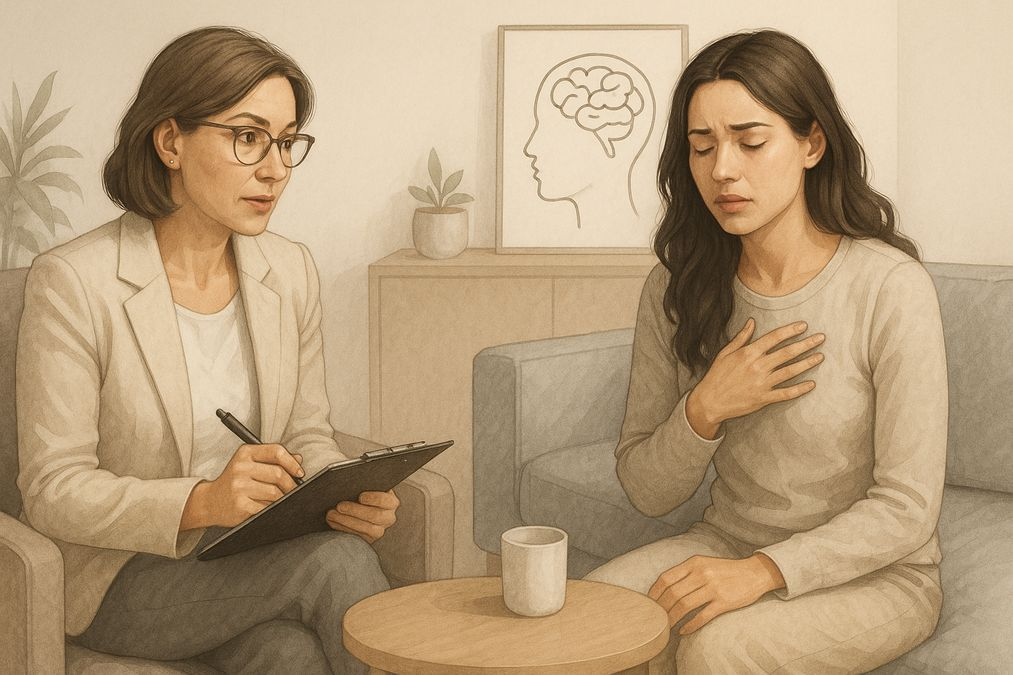
Psychotherapy offers a private, judgment-free environment to explore and express your emotions. Licensed therapists create trust and safety, which is essential when discussing sensitive matters like grief, anxiety, or identity changes. In a bustling city like Toronto, where life moves quickly, having this dedicated time and space is critical for effective emotional adjustment.
2. Exploring and Processing Emotions
Major life transitions often trigger a storm of emotions—anger, sadness, fear, relief, or guilt. In therapy, you learn to identify, accept, and process these feelings instead of suppressing them. This emotional processing is a vital step toward healing and moving forward with confidence.
3. Developing Coping Strategies for Change
Every individual processes change differently. Psychotherapists use evidence-based techniques such as Cognitive Behavioural Therapy (CBT), mindfulness, and narrative therapy to help you:
- Manage anxiety and panic attacks
- Alleviate depressive symptoms
- Challenge unhelpful thought patterns
- Build resilience and self-esteem
- Increase mindfulness and adaptability
4. Facilitating Personal Growth and Self-Discovery
Transitions are also opportunities for self-reflection and personal growth. Through psychotherapy, you can uncover strengths and values, set new goals, and redefine your identity in response to life’s changes.
5. Enhancing Communication and Relationship Skills
For couples and families, life changes can create tension or miscommunication. Therapy provides a neutral zone where all voices can be heard, fostering empathy and collaborative problem-solving.
Who Can Benefit from Psychotherapy During Life Changes?
How psychotherapy supports emotional adjustment during life changes isn’t limited to any age or circumstance. Common groups who benefit include:
- Adults: Managing career moves, divorce, empty nest, or bereavement
- Teens/Young Adults: Coping with peer pressure, identity shifts, or academic transitions
- Couples: Adjusting to marriage, new parenthood, or separation
- Seniors: Facing retirement, health concerns, or loss of independence
Toronto’s multicultural environment means that therapists often incorporate a holistic, culturally sensitive approach to help individuals from various backgrounds feel understood.
Common Emotional Challenges Faced During Life Changes
Many people in Toronto seek therapy when struggling with:
- Depression: Feelings of hopelessness, lack of motivation, or persistent sadness
- Anxiety: Excessive worry, constant nervousness, or panic attacks
- Post-Traumatic Stress Disorder (PTSD): Flashbacks, nightmares, or severe distress after trauma
- Adjustment Disorders: Difficulty coping with recent changes, feeling overwhelmed, sleep issues
- Relationship Stress: Conflict with partner, family, or friends
In addition to professional guidance, therapists encourage the development of healthy routines—regular exercise, good sleep hygiene, balanced nutrition, and social connection—as part of the healing process.
Therapeutic Approaches: How Do Therapists Help?
Toronto therapists, such as those at Eternal Minds, use a variety of approaches tailored to your unique situation:
- Cognitive Behavioural Therapy (CBT): Identifies and changes unhelpful thoughts and behaviours
- Mindfulness-Based Therapy: Encourages present-moment awareness and stress management
- Solution-Focused Therapy: Prioritizes finding practical solutions to immediate challenges
- Emotion-Focused Therapy: Helps understand and regulate emotional reactions
- Couples/Family Therapy: Improves communication and strengthens relationships
Case Examples: Real-Life Scenarios in Toronto
Adult Facing Career Change
Samantha, a marketing executive in Toronto, was laid off after 10 years. With her identity tied closely to her career, she felt lost and anxious about the future. Through psychotherapy, Samantha learned to process her grief, manage anxiety, and reconnect with other passions—leading to a new, fulfilling position in a different industry.
Teen Coping with Parental Divorce
When 16-year-old Amir’s parents separated, he struggled with anger, confusion, and academic decline. In therapy, Amir explored his feelings, developed healthy coping strategies, and rebuilt his self-confidence, enabling a smoother adjustment to his new family situation.
Couple Navigating Parenthood
Lisa and Dan welcomed their first child last year. The stress of sleepless nights and new roles sparked frequent arguments. Couples therapy helped them communicate more openly, share responsibilities, and rediscover intimacy, strengthening their relationship through the transition.
Why Choose Psychotherapy in Toronto for Life Changes?
- Accessibility: Toronto boasts a large network of skilled therapists and mental health clinics with diverse expertise.
- Cultural Sensitivity: Many therapists understand the nuances of multicultural identities and can provide support in multiple languages.
- Evidence-Based Care: Modern therapy is grounded in research, ensuring effective, ethical, and tailored interventions.
- Holistic Support: Toronto’s therapy community increasingly offers holistic care, combining psychological, physical, and spiritual approaches. For more on this, see our post on holistic approaches to emotional wellness through psychotherapy in Toronto.
What to Expect from Your First Psychotherapy Session
- Initial Assessment: Your therapist will ask about your current situation, emotional challenges, goals, and any relevant history.
- Setting Goals: Together, you’ll decide on realistic objectives for therapy, such as reducing anxiety, increasing confidence, or improving relationships.
- Therapeutic Plan: Based on your needs, the therapist will recommend a treatment method and frequency.
- Active Participation: While therapists provide guidance, lasting adjustment comes from your engagement, openness, and practice of new skills between sessions.
How to Choose the Right Psychotherapist in Toronto
Choosing a therapist is an important decision. Consider the following when looking for the right fit:
- Credentials and Experience: Look for therapists registered in Ontario who have a track record supporting clients through life transitions.
- Therapeutic Style: Consider whether you feel comfortable with a more structured or open-ended approach.
- Cultural Competence: Does the therapist understand and respect your cultural, religious, or gender identity?
- Accessibility: Is the therapist’s location or availability convenient for you? Many clinics, including Eternal Minds, offer both in-person and virtual appointments.
Services Offered by Eternal Minds and Other Leading Providers in Toronto
When facing challenging transitions, choosing the right psychotherapy or counselling service can make all the difference. Eternal Minds is a major service provider for individuals, couples, and families in Toronto, offering:
- Individual psychotherapy/counselling for adults, teens, and seniors
- Couples and family therapy
- Specialized support for anxiety, depression, trauma, grief, and PTSD
- Online therapy options for flexibility and privacy
- Workshops and group sessions focusing on resilience, mindfulness, and personal growth
Frequently Asked Questions About Psychotherapy for Life Changes
Is therapy different from counselling?
While the terms are often used interchangeably, there are subtle differences. Therapy tends to be more in-depth, addressing complex emotional patterns, while counselling often focuses on specific issues or life decisions. For a detailed explanation, see our guide on understanding the difference between counselling and psychotherapy in Toronto.
How long will it take to adjust to a major life change?
Adjustment periods differ for everyone. Some may see improvements in a few weeks; others may benefit from several months of ongoing support.
Is therapy only for people with mental health diagnoses?
No—how psychotherapy supports emotional adjustment during life changes means that therapy is for anyone seeking growth, support, or resilience during times of transition, not just those diagnosed with a specific mental health condition.
Building Resilience Through Ongoing Support
Adjustment is a journey—one that often requires ongoing care. Many Toronto residents continue with therapy even after the initial transition, finding it invaluable for maintaining balance, preventing relapse, and sustaining personal development. For more insights on long-term healing, read our article on how psychotherapy supports emotional healing and personal development in Toronto 2026.
Conclusion: Embrace Change, Find Healing with Eternal Minds in 2026
Life changes are inevitable, but struggling alone is not. With professional psychotherapy, you gain the insight, resilience, and emotional support needed to move through transitions with greater ease. In 2026, Torontonians have more access to compassionate, evidence-based care than ever before—so whether you’re facing a personal loss, starting a new chapter, or simply feeling overwhelmed, help is available.
Your next step: Ready to discover how psychotherapy supports emotional adjustment during life changes for you or your loved ones? Book your free consultation at Eternal Minds today. Your journey to healing and personal growth in Toronto starts here.
Related Posts

Introduction: Navigating Major Life Transitions With Support Life is a [...]
In a vibrant and diverse city like Toronto, the pressures [...]

Are you wondering how therapy can do more than just [...]
